pruritus
symptom that's more
than just an itch
up to
of patients with ALGS11
up to
of patients with PFIC12
Uncontrolled cholestatic pruritus causes more than just skin damage. Patients with ALGS or PFIC can also struggle with11,13-18:
-
 Fatigue
 -
 Physical discomfort
 -
 Decreased physical function
 -
 Irritability
 -
 Impaired school performance
 -
 Negative impact on social activities
- *A qualitative, prospective study consisting of interviews with patients and caregivers from 25 families evaluated the symptoms, signs, and impacts of itching in pediatric patients with ALGS.
- †A qualitative assessment of patient/observer-reported outcome by study participant caregivers (N=62) examined pruritus and sleep disturbance during the 5- to 8-week screening period of a Phase 3 study in patients with PFIC.
Many patients with uncontrolled cholestatic pruritus continue to opt for surgical biliary diversion and/or liver transplant for both ALGS and PFIC.20-23
pruritus was an indication in
- ‡A multicenter retrospective study of children with ALGS (N=1433) assessed outcomes in those who presented with neonatal cholestasis (n=1184). Among the 328 patients who underwent liver transplantation and had documented indications, intractable pruritus was cited as an indication in 161 cases (49%). There were 235 cases of ≥1 complication of persistent cholestasis (72%); of these, growth failure was cited in 127 cases (54%); xanthomas in 116 cases (49%); metabolic bone disease in 16 cases (7%); and fat-soluble vitamin deficiency in 3 cases (1%).21,22
- §A retrospective review of children with ALGS and liver involvement (N=163) investigated between 1960 and 2000 found that among the 44 patients who underwent liver transplantation, refractory pruritus was an indication in 36 patients (82%); disfiguring xanthomas was an indication in 32 patients (73%); bone fractures in 15 patients (34%); and/or patent signs of end-stage liver disease in 5 patients (11%).20
- ∥A retrospective evaluation of nontransplant surgical intervention for pediatric cholestasis (N=58) including 38 patients with PFIC. Among these 38 patients, the indications for surgical diversion included pruritus in 92% (35/38 patients) followed by progression of liver disease in 59%.23
- ¶Based on a single-center, prospective review of 580 consecutive pediatric liver transplants (2011-2022), including 60 performed in children with genetically or clinically confirmed PFIC.24
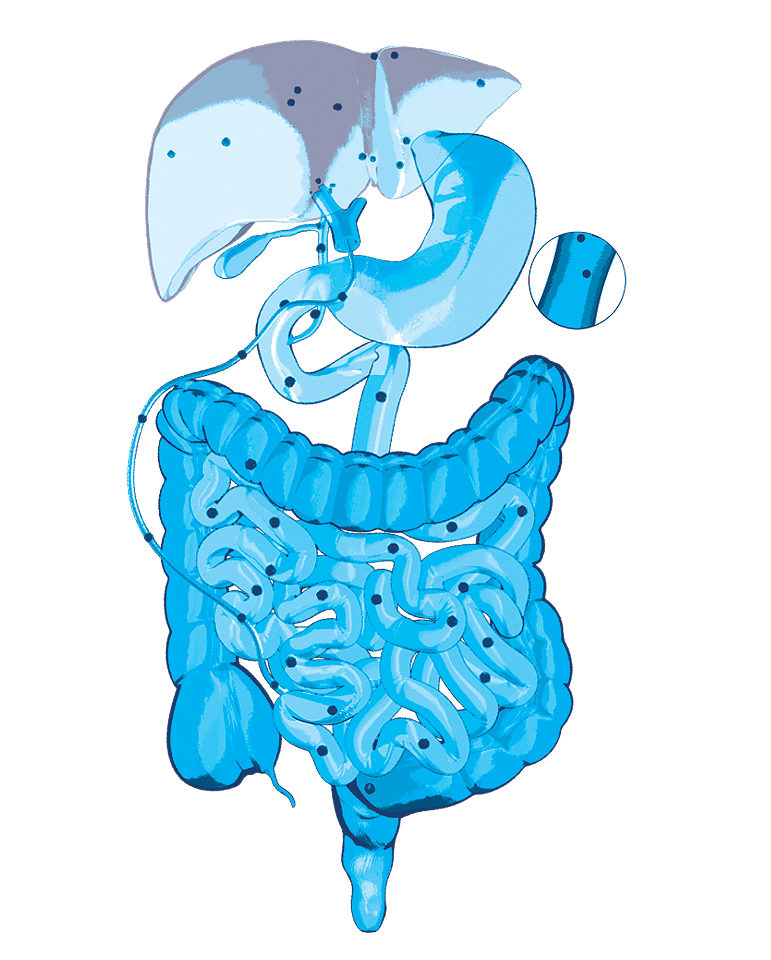
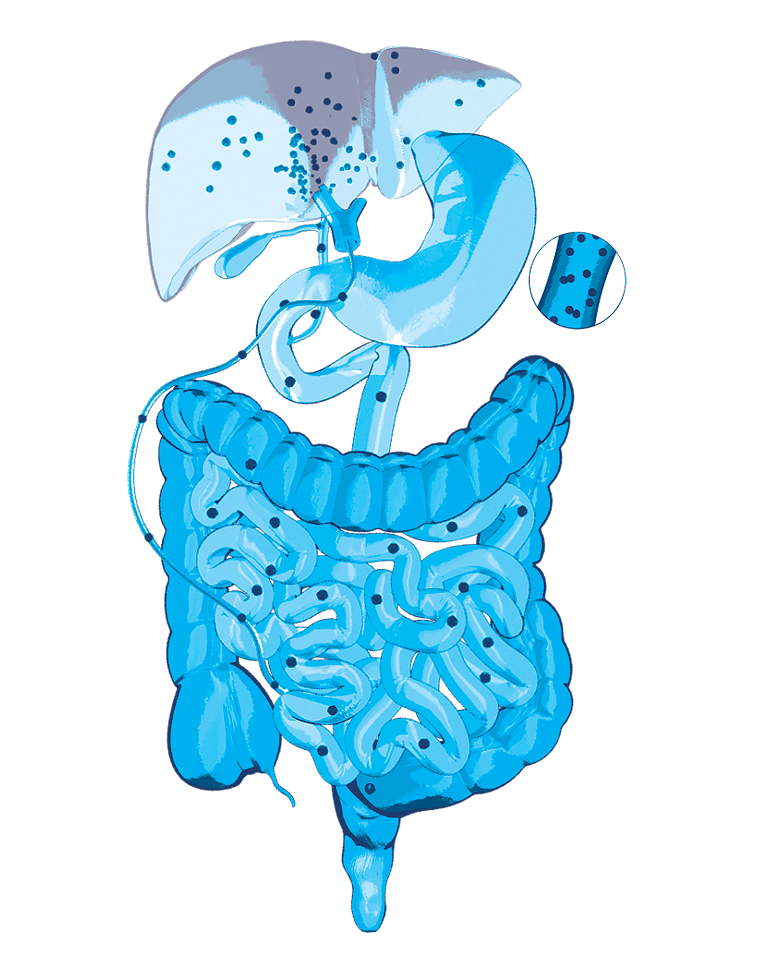
acid load
impact on the liver


In ALGS, lower serum bile acid (sBA) levels are associated with native liver survival (NLS)
Results from the independent GALA study group (n=570) showed that patients with sBA >102 μmol/L have an increased risk of death, liver transplant, and manifestations of portal hypertension. (NLS HR=3.78, 95% CI, 2.39-5.99; event-free survival HR=3.44, 95% CI, 2.35-5.04).25
GALA=Global ALagille Alliance; HR=hazard ratio; TB=total bilirubin.
In PFIC, sBA levels of
were associated with improved NLS at 15 years10,26
Study design
A multicenter retrospective cohort study included patients (N=264) with homozygous or compound heterozygous pathological ABCB11 mutations. Patients were categorized according to genotypic bile salt export pump severity (BSEP1, BSEP2, BSEP3). Genotype severity and sBA concentration were strongly associated with NLS.
bilirubin
transplant risk
A large international study showed that in children with ALGS, total bilirubin (TB) levels between 6 and 12 months of age are a key indicator of future liver transplant risk.21*
4.8x
greater risk of transplant
for patients with median TB levels ≥5.0 and <10.0 mg/dL vs those with bilirubin <5.0 mg/dL22
15.6x
greater risk of transplant
for patients with median TB levels ≥10.0 mg/dL vs those with bilirubin <5.0 mg/dL22
Study design
In a multicenter retrospective study of children (N=1433) with ALGS who presented with neonatal cholestasis (n=1184), serial laboratory measurements were available in 605 patients, with 3777 follow-up visits during the first year of life. Biochemical parameters included sBAs, TB, direct/conjugated bilirubin, alanine aminotransferase, aspartate aminotransferase, gamma-glutamyl transferase, total cholesterol, triglyceride, and platelet count.
In PFIC, reduction in bilirubin is a predictor of longer NLS in patients who have had surgical biliary diversion27
Study design
A systematic literature review and meta-analysis evaluated relationships between liver biochemistry parameters (sBA [n=42], bilirubin [n=31], and alanine aminotransferase [n=28]) and early response (pruritus improvement) or long-term outcomes (need for liver transplant) in patients with PFIC who underwent partial external biliary diversion.
- * The GALA study was an independent retrospective review, which may introduce variability in how key clinical features were assessed. Liver biopsy findings were extracted from local pathology reports rather than central review. Additionally, individuals with partial or subclinical disease may be underrepresented, as such patients may go undetected.